Bringing My Creative Vision to Life with the Rosemary Jasmine Font
It was a quiet evening, my craft table lit by the soft glow of a lamp. I was designing a set of labels for my new line of herbal candles. The scent blends were perfect—lavender, eucalyptus, rosemary—but the visual identity felt flat. My standard, clean sans-serif font was professional, yes, but it lacked the warmth and personality I wanted for these handmade creations. I needed something that whispered natural, artisanal, and cared-for. That's when I discovered Rosemary Jasmine.
The Elegant Personality of a Handwritten Font
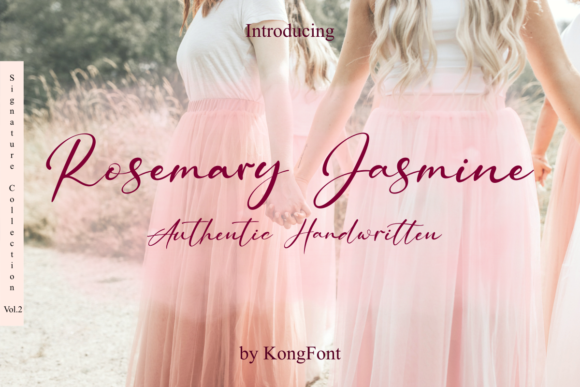
Rosemary Jasmine isn't just a font; it's an immediate mood-setter. From the very first letter, its elegant and curvy lines tell a story. It carries a delicate charm, reminiscent of careful penmanship on a cherished letter, yet it maintains a consistent readability that is crucial for product design. This isn't a frantic, chaotic script. It's a thoughtful, flowing handwritten font with a gentle rhythm. Its personality is inherently creative, lending an air of sophistication and personal touch to anything it graces. For a maker like me, that's invaluable. It transforms a simple product name into a piece of the brand's soul.
The style of Rosemary Jasmine sits beautifully in the world of modern typography for makers. It has that premium font feel without being overly formal or distant. It’s approachable. I see its curvy lines as the visual equivalent of a hand-painted detail or a carefully chosen ribbon. This makes it perfect for establishing a brand identity that feels human and connected, whether you're selling physical goods or digital downloads.
Where Rosemary Jasmine Shines in a Maker's World
My experimentation began with those candle labels, and the effect was instant. Rosemary Jasmine on a minimalist, cream-colored label suddenly made the product feel like a boutique find. But its utility extends far beyond that one project. Since then, I've used it across my shop materials, and its versatility has been a constant delight.
- Product Labels & Packaging: For jar labels, spice blends, soap wrappers, and boutique tags. It elevates the perceived quality instantly.
- Greeting Cards & Stationery: Birthday invitations, thank-you notes, and holiday cards gain a deeply personal feel.
- Wedding & Event Design: Welcome signs, seating charts, and invitation suites look effortlessly elegant and custom-made.
- Printable Wall Art & Digital Downloads: Quotes for farmhouse-style decor, planner page headings, and digital template titles stand out with artistic flair.
- Apparel & Merchandise: Short phrases on tote bags, mugs, or shirts become stylish statements rather than just text.
- Shop Branding & Social Media: Consistent use on logo elements, packaging tape, and social media graphics builds recognizable, cohesive brand identity.
The emotional appeal is real. When customers see this kind of typography, it engages them differently than a blocky, standard font. It suggests care, attention, and artistry. For seasonal craft designs—think autumn harvest tags or delicate spring wedding invites—Rosemary Jasmine provides that soft, thematic touch without needing elaborate graphics.
Practical Application for Phrases and Display
In practice, I find Rosemary Jasmine is most powerful as a display font. It's ideal for short phrases, names, titles, and decorative wording. On a product label, I use it for the product name itself, like "Lavender & Oakmoss Candle," while pairing it with a simple, clean sans-serif font for the details like weight or ingredients. This creates a beautiful hierarchy.
For longer text, like paragraphs on a wedding program, I wouldn't use it for the body. Its charm is best preserved in highlights. But for a wedding welcome board title or a main heading on a printable art sheet, it's perfect. The key is to let it be the star where you want visual impact and emotional resonance.
Readability and Production Considerations
A beautiful font must also be a practical one. When printing physical items or designing for cutting machines like Cricut or Silhouette, readability at size is crucial. I've tested Rosemary Jasmine on small stickers (around 1.5 inches tall) and found it remains clear if the word or phrase isn't too long. For intricate cutting, ensuring the letters aren't too thin or tightly spaced helps. On printed cards and mockup previews for my online listings, it renders beautifully, adding significant production value to the listing images themselves.
Font pairing is essential for balance. My go-to combination is using Rosemary Jasmine for the primary, emotional text and a sturdy, neutral sans-serif (like a clean geometric font) for all supporting information. Sometimes, a simple serif font can also complement it for a more classic editorial design feel. This pairing ensures my designs feel polished and complete, not overly busy.
Ensuring Your Designs Are Ready for Market
Before selling any physical product, template, printable, or merchandise using a font, checking its licensing is a fundamental step. As a font in the Freebies category, Rosemary Jasmine likely offers broad usage, but I always double-check the specific license for commercial use. It's part of responsible design practice.
I also look into the included font file formats (.TTF, .OTF) to ensure compatibility with my software. Exploring if it has stylistic alternates, ligatures, or swashes can add even more customization to a design, though its base form is already so complete. For makers aiming for a global audience, checking multilingual support is wise. These technical details, handled upfront, let me focus purely on the creative part—bringing beautiful products to life.
There's a profound satisfaction in seeing a design element like Rosemary Jasmine translate from a digital screen to a physical object. It moves from being a typeface to a tangible part of a product's story. On a candle label, it’s not just text; it’s the first impression of the scent inside. On a wedding invitation, it sets the tone for the entire event. On a tote bag, it turns a simple accessory into a wearable piece of art. For crafters, sellers, and creators, these details aren't just decoration; they're the quiet, elegant voice of our work, speaking directly to the hearts of those who see it.